

Reviving Memories: How Transferring Footage from Popular Video Tape Formats Brings Families Together
There’s something uniquely nostalgic about the flicker of old video tapes. VHS, VHS-C, 8mm, Hi8, Digital8, and Mini DV tapes were once the staples of documenting family vacations, birthday parties, graduations, and those candid, everyday moments that are cherished for a lifetime. However, as the years have passed, these once-precious recordings have found themselves collecting dust in forgotten closets, victims of the obsolescence that comes with aging technology.
For years, I’ve had the privilege of working with families, helping them rediscover these lost memories through the transfer of old tapes to digital formats. Each tape holds a treasure trove of emotions, a window into the past. The process of converting these analog formats into digital files is more than just a technical service; it’s a way to reconnect families, trigger forgotten emotions, and, sometimes, even resolve long-lost stories.
A Journey Through Time: Popular Video Tape Formats
The process of transferring footage from old video tapes is both an art and a science, involving careful handling of delicate materials and outdated formats. Let's take a brief look at the most common formats families bring in for conversion:
VHS – The iconic large-format tapes that dominated home video recording from the late '70s through the '90s. VHS was the format of choice for recording everything from family vacations to weddings.
VHS-C – A compact version of the VHS tape, designed to fit in smaller camcorders for easy portability while retaining the same recording method.
8mm & Hi8 – Used primarily in camcorders from the late '80s through the early 2000s, 8mm and Hi8 tapes provided higher resolution and a more compact form factor than VHS.
Digital8 – A digital successor to 8mm formats, offering even greater clarity and durability, but still susceptible to magnetic degradation over time.
Mini DV – A staple of digital camcorder recording in the early 2000s, Mini DV offered exceptional video quality, but as technology progressed, it too became less accessible without specialized equipment.
These formats, each with their own quirks and specific equipment needs, hold the key to unlocking years of forgotten memories.
Why Transfer On-Premises Matters: Quality and Security First
At New York Camera of Princeton, we pride ourselves on offering a service that’s as much about trust and care as it is about technical expertise. Transferring footage from old tapes to digital is an intricate process, one that requires specialized knowledge, equipment, and a deep respect for the memories entrusted to us.
One of the key differentiators in our service is that we do all transfers on-premises. Many services will send tapes off to third-party labs, sometimes overseas, increasing the risk of tapes being lost or damaged in transit. By handling everything in-house, we not only ensure the safety and security of your tapes but also maintain full control over the quality of the transfer process.
By keeping the work on-site, we can adjust settings for each individual tape. Some older tapes may have visual or audio degradation, requiring color correction, stabilization, or audio enhancement. We meticulously check every frame to ensure that when the final digital product is handed back to you, it’s the highest quality possible. Furthermore, the tapes never leave our hands, giving families peace of mind that their precious memories are safe.
Story: Rediscovering Family Heritage
One of the most memorable cases we had involved a large family whose patriarch had recently passed away. They brought in a collection of VHS-C and Mini DV tapes, unsure of what was on them but hoping to find some long-forgotten memories. The tapes were over 25 years old, and they feared much of the footage would be lost due to the age and condition of the materials.
As we began the process of digitizing the tapes, it became clear just how important these recordings were. There were family reunions, birthdays, and even an interview with the family patriarch sharing his stories of growing up during World War II. These were moments the family didn’t even know had been recorded, treasures lost to time.
When the family came in to collect the digital files, we gathered in our viewing room to share the experience of watching the footage. Tears filled the room as they listened to their father’s voice and watched their children, now grown with kids of their own, as toddlers on screen. The family later told us that these tapes had not only reconnected them to their past but had inspired them to hold more frequent family gatherings and to document their own family history more intentionally.
Story 2 2: Healing Through Memories
Another powerful case came from a woman who had recently reconnected with her estranged sister after more than a decade of silence. She brought in a collection of 8mm and Hi8 tapes that she hoped contained footage from their childhood and early adult years, a time before their relationship had fractured.
The tapes, filmed mostly by their late mother, featured holidays, family trips, and candid moments of them laughing and playing together. These visual reminders of their shared history helped to break the ice during their emotional reunion. What was particularly touching was that the two sisters asked us to create a compilation video, splicing together clips from the tapes with new footage of them creating new memories.
The ability to see themselves as children, happy and carefree, helped them realize the depth of their bond. It wasn’t just about nostalgia; it was about healing old wounds and remembering that their connection was rooted in love, despite the years of distance.
The Power of Preserving Memories
These are just two of countless stories we’ve witnessed over the years, where transferring old footage has done more than just preserve history – it has brought people closer together. There’s an undeniable magic in seeing moments captured decades ago suddenly come to life on a modern screen. It bridges the gap between past and present, reminding us all of the importance of family and the preciousness of time.
At New York Camera of Princeton, we understand that when families trust us with their old tapes, they are entrusting us with irreplaceable pieces of their lives. That’s why we handle each tape with care, performing every step of the process on-premises to ensure the highest quality, security, and most importantly, respect for the memories they contain.
Transferring footage from VHS, VHS-C, 8mm, Hi8, Digital8, and Mini DV tapes isn’t just about adapting to new technologies – it’s about reconnecting families, preserving legacies, and helping people relive the moments that matter most.

35 Years of Guiding Photographers: A Journey of Passion, Knowledge, and Care
For the past 35 years, I've had the incredible privilege of helping photographers of all ages and skill levels develop and refine their craft. Whether you're a budding enthusiast eager to learn the basics of film photography, or a seasoned professional looking to master the latest in digital technology, my mission has always been to guide you with care, passion, and dedication.
Photography, to me, is more than just capturing images—it's about preserving moments, emotions, and stories that deserve to be told. My journey began long before digital cameras became the norm, in a time when film was king, and each shot carried a sense of anticipation. Over the years, I’ve seen the transition from analog to digital, and I’ve enjoyed adapting to the technological advancements while holding onto the beauty and discipline that film photography fosters.
At New York Camera of Princeton, every customer that walks through the door becomes a part of that story. Whether you're looking for your first camera or are diving into the intricacies of editing raw images, I treat every inquiry and conversation with genuine care and love. My philosophy has always been simple: it doesn’t matter how much experience you have—what matters is that you're passionate about photography and eager to learn.
The joy I derive from sharing my knowledge is immeasurable. Explaining the fundamentals of exposure, ISO, aperture, and shutter speed to a beginner is as rewarding as discussing the nuances of color grading or autofocus performance with a seasoned pro. The beauty of photography is that there’s always something new to learn, and I take great pride in being able to help photographers discover their next step.
Throughout the years, I've come to realize that one of the most rewarding aspects of my work is connecting with people of all backgrounds. Some customers come in hoping to capture the perfect family portrait, while others are chasing the perfect landscape or street shot. I’ve worked with students just starting their journey, hobbyists who’ve reignited their passion for film, and professionals pushing the boundaries of what their gear can do. No matter the experience level, my goal is to help each person leave more confident in their ability to capture the images they envision.
One of the unique joys I have is sharing the history of the equipment I work with. Cameras, whether film or digital, each have their own story to tell. From the classics like the Leica M3 to the cutting-edge mirrorless models of today, each camera represents a piece of photographic history, and I love sharing those stories with customers. I want them to understand not just how to use the camera, but to appreciate the journey that camera has been through.
Helping photographers unlock their potential is not just a job for me—it's a lifelong passion. The relationships I’ve built, the knowledge I’ve gained, and the joy I get from seeing others improve is what keeps me excited every day. So whether you're just starting out or are deep into your photography journey, I’m here to help, share, and celebrate every step of the way.
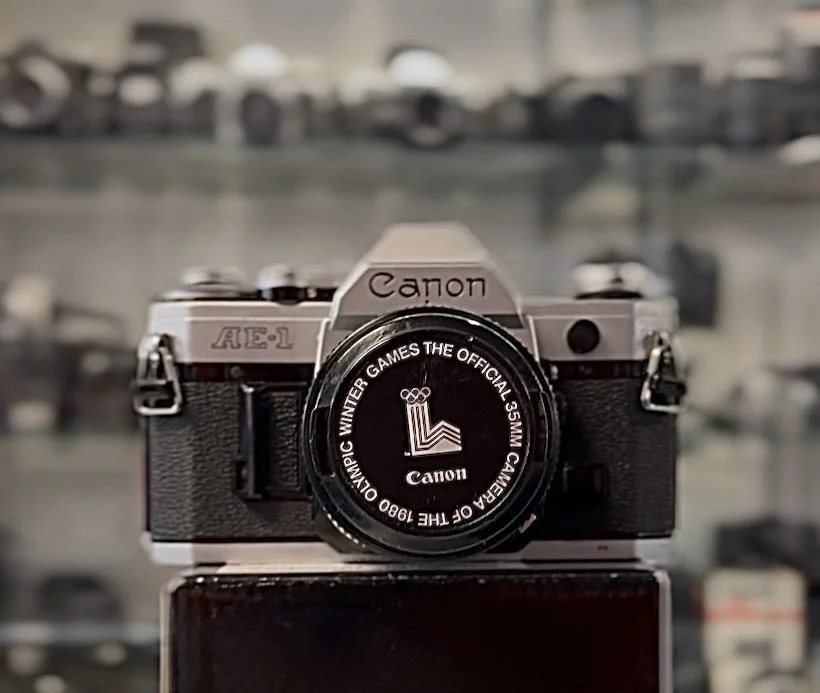
The Timeless Canon AE-1: Why This Classic Film Camera Should Be Your Next Adventure Companion
In a world driven by instant digital photography, the Canon AE-1 stands out as a timeless classic that every photographer should experience. Whether you're a beginner or a seasoned pro, this 35mm film camera brings a sense of nostalgia and creativity that modern cameras can’t match. I've traveled with my Canon AE-1 from the neon streets of Tokyo to the golden beaches of Bali, and its reliability has never let me down. If you're ready to explore the art of film, visit us at New York Camera of Princeton, where you can try out the Canon AE-1 and begin your own photographic adventure!
In the fast-paced world of digital photography, where megapixels and algorithms dominate the conversation, it’s easy to overlook the enduring charm of film cameras. But for those who have experienced the joy of shooting on a film camera, particularly the Canon AE-1, it’s clear why this 35mm masterpiece is a must-try for photographers of all levels. As a photographer who has traveled the world, from the bustling streets of Tokyo to the serene landscapes of New Zealand, I can confidently say that the Canon AE-1 is not just a camera—it’s a trusted companion that captures memories in a way no digital camera can replicate.
At New York Camera of Princeton, we are passionate about sharing this classic camera with both seasoned photographers and those new to film. The Canon AE-1, released in 1976, is still celebrated for its intuitive design, ease of use, and outstanding reliability. Whether you’re a hobbyist looking to explore the world of film or a pro who appreciates the nostalgia of analog photography, the AE-1 offers something truly special.
Why the Canon AE-1 Stands the Test of Time
There’s a reason the Canon AE-1 has maintained its popularity for decades. As one of the first affordable SLRs with automatic exposure, it revolutionized photography by making high-quality film photography accessible to the masses. The AE-1’s design balances functionality and simplicity, making it ideal for both beginners and professionals.
One of the key features that set it apart is its shutter-priority mode. This allows you to set the shutter speed, and the camera will automatically adjust the aperture, making it incredibly easy to shoot in varying light conditions. This was a game-changer for me when I first started using the AE-1 during my travels. No matter where I found myself—whether it was in the soft, diffused light of an English countryside morning or the harsh, midday sun in the Sahara Desert—the camera consistently delivered perfectly exposed shots.
Additionally, the Canon AE-1 has a mechanical reliability that modern cameras often lack. In my experience, it’s one of the few cameras that have never let me down, even in the most unpredictable environments. I’ve shot with it in everything from tropical rainstorms to freezing mountain peaks, and it continues to work as if it just came out of the box. For those of you looking to invest in a durable camera, this is one you can trust.
My Adventures With the Canon AE-1: A Journey Around the Globe
One of the things that makes the Canon AE-1 so special to me is the memories it has helped me capture throughout my travels. There’s something magical about shooting film—knowing that each shot counts and that you can’t just delete and retake a photo like you can with digital cameras. Every frame feels intentional, and the AE-1 has a way of encouraging you to slow down and really focus on what you’re capturing.
I remember the first time I took the AE-1 on a significant trip—it was a two-month journey through Southeast Asia. From the temples of Angkor Wat in Cambodia to the vibrant streets of Ho Chi Minh City, the camera’s lightweight design made it a perfect travel companion. I often carried it slung over my shoulder, always ready to capture the spontaneous moments that make travel so special. The AE-1’s sturdy construction gave me the confidence to take it everywhere, without worrying about it getting damaged.
One of my favorite shots was taken in Bali, just after sunrise. I was on a secluded beach, with the golden light reflecting off the water and a local fisherman casting his net into the ocean. The Canon AE-1 captured the moment with such clarity and warmth that, to this day, it remains one of my most treasured photos. The camera’s manual controls allowed me to experiment with exposure and focus, giving me full creative control over the shot.
In contrast, when I visited the neon-lit streets of Tokyo, the AE-1 adapted seamlessly to the city’s fast-paced environment. The camera's reliability in low-light conditions surprised me—I was able to capture the essence of Tokyo at night, from the glowing signs in Shibuya to the quiet, dimly lit alleys in Asakusa. The sharpness and depth of the photos were breathtaking, and the grain of the film only added to the atmosphere.
Why You Should Try the Canon AE-1 at New York Camera of Princeton
If you’ve been curious about shooting film or are looking for a camera that offers something different from the digital experience, the Canon AE-1 is the perfect starting point. At New York Camera of Princeton, we have a deep appreciation for the AE-1, and we believe it’s a camera that everyone should try at least once. Whether you're just beginning your photography journey or are a seasoned professional, the AE-1 will help you see the world in a new way.
What’s great about the Canon AE-1 is that it’s incredibly user-friendly. Unlike some other film cameras that can feel intimidating to beginners, the AE-1’s straightforward controls make it easy to pick up and start shooting. You don’t need to be a film expert to produce stunning photographs—this camera does most of the heavy lifting for you. And for those of you who want to delve deeper into the manual settings, the AE-1 gives you the flexibility to experiment and grow your skills.
At our store, we not only sell the Canon AE-1, but we also offer film, lenses, and other accessories to help you get the most out of your shooting experience. If you're new to film photography, our knowledgeable staff is always on hand to offer advice and tips on how to get started. We’ll even help you load your first roll of film!
The Fun of Shooting Film in a Digital World
In a world where we’re constantly bombarded with instant gratification, shooting film with the Canon AE-1 is a refreshing change of pace. There’s a certain excitement that comes from not knowing exactly how your photos will turn out until they’re developed. It forces you to be more present in the moment and to really think about each shot. For me, this has led to some of the most rewarding and memorable photographs I’ve ever taken.
Plus, there’s something deeply satisfying about the tactile experience of using a film camera—the click of the shutter, the winding of the film, and the anticipation of getting your photos back from the lab. It’s an experience that’s hard to replicate with digital photography.
If you’re ready to try something new and want to experience the joy of film photography, we invite you to visit New York Camera of Princeton. We have a range of Canon AE-1 cameras available for purchase, along with everything you need to start your journey into the world of analog photography. Who knows? You might just fall in love with the art of film, just as I did.
Think About It!
The Canon AE-1 isn’t just a camera—it’s a gateway to a slower, more thoughtful approach to photography. Its ease of use, durability, and ability to produce stunning images make it a fantastic choice for anyone looking to explore the magic of film. As someone who has taken this camera to the far corners of the earth, I can attest to its reliability, versatility, and sheer fun. So why not give it a try? Stop by New York Camera of Princeton, and let’s get you started on your next photographic adventure!